Here are the 5 most common signs that your roof needs to be replaced:
Do the tiles curl at the edges?
Cracks in the surface?
Bare areas where tiles are missing?
These are classic signs of wear and tear. Over time, shingles lose their ability to protect your home from the elements. This is especially common after strong windstorms or heavy snowfall, both common in Connecticut.
Pro tip: If more than 25% of the shingles are damaged, replacing the entire roof is more cost-effective than patching.
Leaks or water stains inside your home.
Water stains on ceilings or walls, a musty smell in the attic, or visible mold are signs that your roof is no longer waterproof. Even small leaks can:
Damage isolation
Rotten wooden structures
Causes dangerous mold growth
Water penetration often begins silently: by the time stains appear, the damage has already been done.
Don't wait. A leaky roof today could cause structural damage tomorrow.
If your roof is old and hasn't been inspected recently, it's time to schedule a professional evaluation, even if you don't see any visible damage.
Black or sandy particles in your gutters
Bald spots on the roof surface
A darker, more irregular appearance to the shingles.
These granules protect against UV rays and water. Once they disappear, the shingles wear down faster and lose effectiveness.
Water damage to the underlying structure
Rotten decks or beams
Excessive weight due to moisture, ice, or layers of old shingles
A sagging ceiling isn't just aesthetic; it can collapse if ignored. If you notice a depression in the center or at the edges, contact a professional immediately.

At SKQ CONSTRUCTION LLC, we have installed hundreds of EPDM roofing systems in Connecticut for over 15 years and consider it to be one of the smartest roofing investments for our climate.
What is EPDM for roofing?
EPDM is a durable, flexible, and weather-resistant rubber membrane widely used in flat roof systems. It is known for:
Superior waterproofing
UV and ozone resistance
Long lifespan (20 to 30 years or more)
Ease of repair and maintenance
EPDM is typically black, but it's also available in white for energy-efficient applications. It's available in large sheets, which minimizes joints, a major source of leaks in other roofing systems.
Why is EPDM ideal for Connecticut?
Connecticut's climate can be harsh on flat roofs. With heavy snowfall, rain, freeze-thaw cycles, and summer heat, roofs must withstand wide temperature swings. EPDM offers exceptional performance in these conditions.
Resistant to harsh winters.
EPDM expands and contracts without cracking, even during extreme freeze-thaw cycles. This flexibility makes it ideal for New England winters.
UV and heat resistant.
The black surface absorbs heat, helping snow melt faster in winter. For energy-efficient buildings, white EPDM can reflect sunlight and reduce cooling costs in summer.
Superior Leak Protection
Because EPDM comes in large, seamless sheets, it dramatically reduces the chances of leaks, making it perfect for buildings with minimal slopes.
Installation Methods
EPDM can be installed using three main techniques:
Fully bonded: bonds directly to insulation or roof decking.
Mechanical fixing: secured with plates and screws.
Ballasted: Held down with stone or pavers (ideal for large commercial roofs).
Each method has advantages depending on the size, slope, and use of the building. At SKQ CONSTRUCTION LLC, we can help you choose the best option for your property.
Easy maintenance and repairs
One of the biggest advantages of EPDM is how easy it is to maintain and repair:
Small punctures can be repaired quickly
Seams are easy to reseal if necessary.
Requires less frequent inspections than other systems
This means lower long-term costs and fewer surprises for owners.
Is EPDM environmentally friendly?
Yes. EPDM is:
Fully recyclable at the end of its useful life.
Often low VOC or solvent-free during installation
Considered one of the most sustainable flat roof systems due to its longevity.
In addition, white EPDM versions improve energy efficiency by reflecting sunlight and reducing heat absorption in summer.
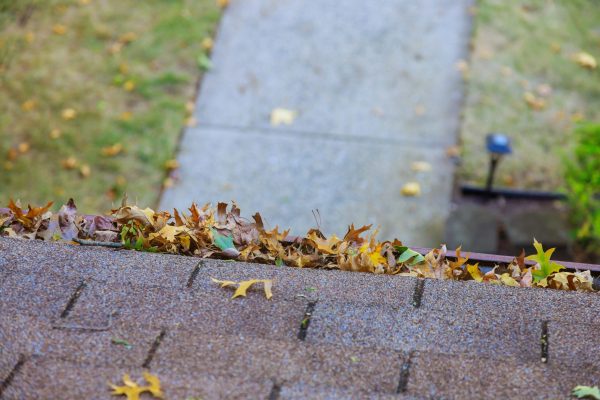
How often should you clean your gutters?
At least twice a year: in spring and fall.
These are the two most important seasons:
Spring: Clean up winter storm debris, snow, and ice.
Fall: Remove fallen leaves, branches, and organic buildup before winter arrives.
But you may need more frequent cleanings if:
Your home is surrounded by tall trees (especially maples, oaks, or pines).
Have you had recent storms with strong winds or hail?
You live in an older home with narrow gutters or poor drainage.
Observe pests, nests, or plant growth in your gutter system.
What happens if you don't clean your gutters?
Neglecting them can cause serious and costly damage to your property:
Foundation Damage
Overflowing gutters can send water down foundation walls, causing cracks, shifting, and even basement flooding.
Roof and Fascia Rot
When water collects under shingles or fascia boards, it promotes mold, rot, and premature roof deterioration.
Ice Dams in Winter
In cold Connecticut winters, clogged gutters can lead to ice dams: large accumulations of frozen water that force melting snow back under the roof, causing leaks.
Pest Infestations
Standing water in your gutters attracts mosquitoes, birds, rodents, and insects, many of which can move into your attic or walls.
Signs that your gutters need cleaning or repair:
Water overflows over the sides during rain
Plants or grass growing in gutters
Sunken, bent, or detached sections
Mold, mildew, or stains on siding near the roof line
Puddles of water near its foundation
If you notice any of these signs, it's time to schedule a cleaning or inspection.
Should you clean your gutters yourself or hire a professional?
It's possible to do it yourself, but it can be dangerous without the proper equipment. Risks include:
Falling down stairs
Damage to gutters or roofs
Lack of hidden obstructions or blockages in downspouts
At SKQ CONSTRUCTION LLC, we offer professional and affordable gutter cleaning using the proper tools and safety procedures. We also inspect for damage during cleaning, so you can avoid major repairs in the future.